
I. Preamble

Our Vision

"The rapid acceleration of technological systems necessitates a corresponding deepening of our ethical foundations. We do not view infrastructure as a neutral conduit, but as a deliberate architectural choice that shapes human flourishing."
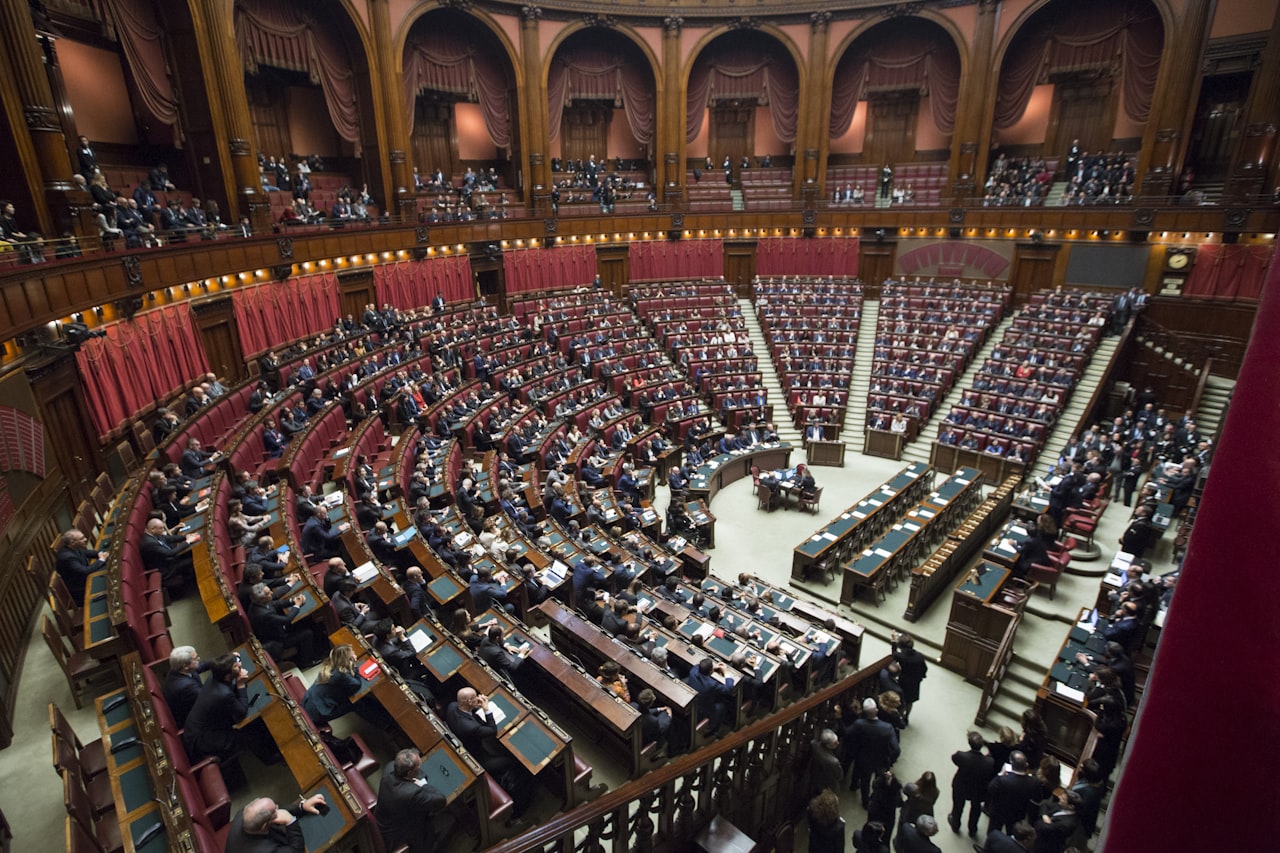
About — vision image

Ethical Infrastructure was created in response to a simple but urgent observation: the pace of technological change has far outstripped our collective capacity to understand, govern and shape it wisely. We exist to bridge that gap.

Our vision is predicated on the belief that technical efficiency must never override moral clarity — and that technology must always remain in service of human dignity, freedom and flourishing.

II. Structural Justice

Technology in Service of Humanity

Technology is neither inherently good nor inherently bad. It is a tool. And like every tool, its value depends entirely on the wisdom and intention of those who wield it.

Our work is guided by a single conviction: that technological progress must always remain in service of human dignity, freedom and flourishing.

Research Pillar

"Technology must serve humanity — not the other way around."

III. Inter-Jurisdictional Alignment

A Platform for Dialogue

Ethical Infrastructure is not a political organisation, nor a religious institution. It is a platform for genuine, open dialogue — a space where different traditions, disciplines and perspectives can meet and enrich one another.

We draw on the best ideas from philosophy, science, economics, law, theology and lived experience — because the challenges ahead require all of us.

IV. Long-term Policy Stewardship

Building for the Long Term

The decisions made today about artificial intelligence, digital infrastructure and global governance will shape the world for generations to come. We take that responsibility seriously.

Ethical Infrastructure is committed to the long view — to building institutions, frameworks and communities that can endure and adapt.

11 Themes of Inquiry
Questions Worth Asking

V. Restoring the Individual to the Center

The Human Person at the Centre

At the heart of everything we do is a commitment to the human person — their dignity, their freedom and their potential. In a world of algorithms and automated systems, we insist on keeping the individual at the centre of all decisions.

Every framework we develop, every question we raise, every dialogue we facilitate is ultimately in service of this single conviction: people matter more than systems.

Our Principles

The values that guide every initiative, every partnership and every conversation at Ethical Infrastructure.

01

Human Dignity

Every person possesses inherent worth that must be respected and protected in all technological and policy decisions.

02

Responsibility

We hold ourselves and our partners accountable for the consequences of our actions and the systems we create.

03

Common Good

Technology and governance must serve the collective wellbeing of humanity, not only the interests of the few.

04

Freedom

Human freedom — of thought, expression and choice — must remain inviolable in the digital age.

05

Transparency

We are committed to openness in our research, our processes and our relationships with all stakeholders.

06

Environmental Stewardship

We recognise our responsibility to protect the natural world for present and future generations.

07

Intergenerational Responsibility

Our decisions today shape the world inherited by those who come after us.

08

International Cooperation

Global challenges require global collaboration across borders, cultures and disciplines.

09

Dialogue

We believe that listening and genuine exchange of ideas is the foundation of any meaningful progress.

10

Long-Term Thinking

We prioritise enduring solutions over short-term gains, guided by a vision for the future.

Foundational Reflections

A curated collection of ideas that have shaped ethical thinking about technology, society and human development.

“Good ideas deserve dialogue, regardless of where they originate.”
PAPACY

“Technological progress must always be at the service of the human person and the common good.”

Pope Leo XIV On Artificial Intelligence and Human Dignity
UN FRAMEWORK

“All human beings are born free and equal in dignity and rights.”

United Nations Universal Declaration of Human Rights (1948)
PHILOSOPHY

“Act only according to that maxim whereby you can at the same time will that it should become a universal law.”

Immanuel Kant Groundwork of the Metaphysics of Morals
ECONOMICS

“Development can be seen as a process of expanding the real freedoms that people enjoy.”

Amartya Sen Development as Freedom (1999)
SCIENCE

“Concern for man and his fate must always form the chief interest of all technical endeavours.”

Albert Einstein On the Responsibility of Scientists
LEADERSHIP

“Education is the most powerful weapon which you can use to change the world.”

Nelson Mandela Address at Madison Park High School, 1990
Join the Conversation

Help shape the ethical foundations of our shared future.